Social media has evolved from a simple communication tool into one of the most powerful marketing channels in the digital world. Businesses of all sizes now rely on social media platforms to promote their brands, connect with audiences, generate leads, and drive website traffic.
The rapid growth of social media usage worldwide has significantly changed how companies approach digital marketing strategies. Instead of relying only on traditional advertising methods, businesses are investing heavily in social media marketing to build relationships with customers and increase online visibility.
Understanding social media marketing statistics can help marketers and website owners make informed decisions. Data-driven strategies allow businesses to identify which platforms work best, what type of content performs well, and how to optimize campaigns for better results.
In this article, we explore the most important social media marketing statistics, user behavior insights, advertising trends, and future predictions that can help businesses strengthen their online presence and improve their website development strategies.
Global Social Media Usage Statistics
Social media usage has grown dramatically over the past decade. Today, billions of people use social networking platforms daily for communication, entertainment, and information.
Currently, more than 5 billion people around the world actively use social media platforms. This represents a large portion of the global population, making social media one of the most influential communication ecosystems.
On average, users spend over two hours per day on social media platforms. During this time, they browse content, watch videos, interact with posts, and discover new brands or services.
Another interesting trend is that most users engage with multiple social media platforms every month, often switching between apps such as Facebook, Instagram, LinkedIn, and TikTok depending on their needs.
For businesses, these numbers highlight the importance of building a strong presence on social media platforms. A well-designed website combined with strategic social media promotion can significantly improve brand awareness and customer engagement.
Social Media Marketing Adoption by Businesses
Social media is no longer optional for businesses, it has become an essential part of digital marketing strategies.
Recent research shows that more than 70% of businesses worldwide use social media for marketing purposes. Companies use these platforms to promote products, build brand awareness, communicate with customers, and drive website traffic.
Additionally, a large percentage of marketers consider social media one of the most effective channels for customer acquisition. By targeting specific audiences based on demographics, interests, and online behavior, businesses can reach potential customers more efficiently.
Another important trend is that many organizations plan to increase their investment in social media marketing in the coming years. As competition grows in digital markets, businesses recognize the importance of maintaining a strong social media presence.
For website developers and digital marketing agencies, this creates opportunities to integrate social media features into websites. Elements such as social sharing buttons, embedded feeds, and interactive content help improve user engagement and connect websites with social platforms.
Social Media Advertising Statistics
Paid advertising on social media platforms has become one of the fastest-growing sectors in digital marketing.
Global spending on social media advertising continues to increase each year, with companies investing billions of dollars to reach targeted audiences. Businesses now allocate a significant portion of their marketing budgets to social media ads due to their high reach and measurable results.
Social media advertising offers several advantages compared to traditional advertising:
- Advanced audience targeting
- Detailed analytics and performance tracking
- Flexible budget options
- Immediate campaign optimization
Another major factor driving social media advertising growth is the widespread use of mobile devices. Most social media users access platforms through smartphones, which makes mobile-optimized advertising crucial for successful campaigns.
For website owners, integrating social media ads with landing pages can dramatically improve conversion rates. Well-designed landing pages built through modern website development practices can turn social media visitors into customers.
Social Media Engagement and User Behavior
Understanding how users interact with social media content is essential for creating effective marketing strategies.
Studies show that many consumers now interact with brands on social media more frequently than before. Instead of visiting physical stores or calling businesses, users often communicate with companies directly through social media messages or comments.
Another important statistic reveals that a large number of consumers discover new brands and services through social media platforms. This means that social media has become a powerful discovery tool for businesses.
Additionally, many users research products on social media before making purchasing decisions. They read reviews, watch product videos, and compare options before visiting a website or making a purchase.
For businesses, this behavior highlights the importance of maintaining active and engaging social media profiles. Regular content updates, responsive communication, and valuable information can help build trust and encourage potential customers to explore your website further.
Video and Visual Content Statistics
Visual content plays a major role in social media marketing success. Images, infographics, and videos capture attention more effectively than text-based content.
Among all content formats, video has become the most dominant type of content on social media platforms. Short-form videos, live streams, and tutorials generate high engagement rates and are widely shared among users.
Many consumers prefer watching videos to learn about products or services. Video content helps businesses demonstrate product features, explain complex concepts, and showcase real-life use cases.
Short-form video platforms have further accelerated this trend. Quick and engaging videos allow brands to deliver information in a highly digestible format.
From a website development perspective, integrating video content into landing pages and blogs can significantly improve user experience and engagement. Videos help keep visitors on the page longer and increase the likelihood of conversions.
Read more: The Ultimate Guide to Building a High-Impact Video Marketing Strategy
Influencer Marketing Statistics
Influencer marketing has become a key component of social media strategies for many brands.
Influencers are individuals with dedicated audiences who trust their recommendations. Businesses collaborate with influencers to promote products, increase brand awareness, and reach targeted communities.
The influencer marketing industry has grown rapidly and continues to expand each year. Brands increasingly partner with micro-influencers, who may have smaller audiences but often generate higher engagement rates.
Another growing trend is the use of user-generated content. Customers share their experiences with products on social media, providing authentic testimonials that influence other potential buyers.
For website owners, showcasing influencer collaborations and customer-generated content on websites can improve credibility and build trust with visitors.
Platform-Specific Social Media Insights
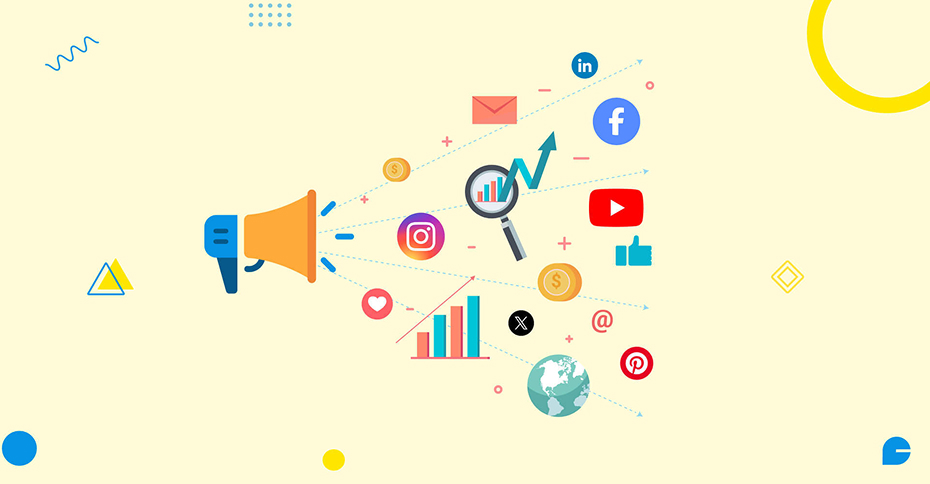
Different social media platforms serve different marketing purposes. Understanding the strengths of each platform helps businesses choose the right strategy.
1. Facebook
Facebook remains one of the largest social media platforms. Businesses use it for advertising, community building, and customer communication.
2. Instagram
Instagram is highly popular for visual marketing. Brands use images, reels, and stories to showcase products and connect with younger audiences.
3. LinkedIn
LinkedIn is the leading platform for professional networking and B2B marketing. Companies use it to share industry insights, recruit talent, and promote services.
4. TikTok
TikTok has experienced rapid growth due to its short-form video content. Many brands now use TikTok to reach younger audiences and create viral marketing campaigns.
Each platform offers unique marketing opportunities, and integrating them with your website strategy can enhance brand visibility and lead generation.
Social Commerce and Online Buying Behavior
Social media platforms are increasingly becoming popular online shopping destinations. Through social commerce, users can discover, explore, and purchase products directly within social media apps.
Many consumers now rely on social media recommendations before making buying decisions. Product reviews, influencer endorsements, and community discussions influence purchasing behavior.
Social commerce features like integrated shopping tools, product tags, and direct checkout options simplify the buying process. As a result, users can purchase products directly on social platforms.
For businesses, connecting social commerce strategies with well-developed eCommerce websites ensures a smooth customer journey from discovery to purchase.
Future Trends in Social Media Marketing
The future of social media marketing will be shaped by technological advancements and evolving user behaviors.
One major trend is the increasing use of artificial intelligence in marketing campaigns. AI-powered tools help businesses analyze audience data, personalize content, and optimize advertising strategies.
Another growing trend is social search, where users search for information directly on social media platforms instead of traditional search engines.
The rise of the creator economy will also continue to influence marketing strategies. Content creators and influencers will play a bigger role in brand promotion and customer engagement.
Finally, businesses will increasingly focus on building online communities rather than simply broadcasting advertisements. Engaging communities help brands establish long-term relationships with customers.
Conclusion
Social media marketing continues to evolve rapidly as new platforms, technologies, and user behaviors emerge. The statistics discussed in this article highlight the massive influence social media has on modern marketing strategies.
For businesses and website owners, understanding these trends is essential for building successful digital marketing campaigns. A strong social media presence combined with well-designed websites, engaging content, and data-driven strategies can significantly improve brand visibility and customer engagement.
As social media continues to grow, businesses that adapt quickly and leverage these insights will gain a competitive advantage in the digital marketplace.
Ready to grow your business with powerful social media strategies?
If you are looking for expert Social Media Marketing, SEO, and website solutions to boost your brand visibility and engagement, contact our InCreativeWeb team today to get started.
Our team specializes in creating data-driven digital marketing strategies that help businesses attract the right audience and generate measurable results. From content creation and campaign management to performance optimization, we focus on delivering long-term growth for your brand.
FAQs
1. What are the most important social media marketing statistics for businesses?
Some key statistics include the number of global social media users, average daily usage time, advertising spending trends, and engagement rates. These metrics help businesses understand audience behavior and improve marketing strategies.
2. Why is social media marketing important for websites?
Social media marketing helps drive traffic to websites, increase brand awareness, and generate leads. When integrated with website development strategies, it improves visibility and conversion opportunities.
3. Which social media platform is best for marketing?
The best platform depends on your target audience and marketing goals. Facebook and Instagram work well for consumer brands, while LinkedIn is ideal for B2B marketing.
4. How does social media influence purchasing decisions?
Consumers often research products, read reviews, and watch videos on social media before making purchases. Positive engagement and recommendations can strongly influence buying decisions.
5. How can website development support social media marketing?
By including social network feeds, optimizing landing pages, integrating sharing tools, and enhancing the user experience for visitors from social media platforms, website development can assist social media marketing.
Author
Jayesh Patel
Jayesh Patel is a Professional Web Developer & Designer and the Founder of InCreativeWeb.
As a highly Creative Web/Graphic/UI Designer - Front End / PHP / WordPress / Shopify Developer, with 14+ years of experience, he also provide complete solution from SEO to Digital Marketing. The passion he has for his work, his dedication, and ability to make quick, decisive decisions set him apart from the rest.
His first priority is to create a website with Complete SEO + Speed Up + WordPress Security Code of standards.