In the modern digital marketing landscape, social media platforms play a major role in connecting businesses with their audiences. Among these platforms, LinkedIn has become one of the most powerful tools for professional networking, B2B marketing, and brand authority building.
Unlike many social platforms that focus primarily on entertainment or casual interaction, LinkedIn is designed specifically for professionals, entrepreneurs, recruiters, and businesses. This makes it a highly valuable platform for companies looking to reach decision-makers, industry leaders, and potential clients.
Over the past few years, LinkedIn has evolved far beyond a simple job-search website. Today it functions as a complete digital marketing ecosystem where businesses can publish content, build communities, advertise services, and generate leads.
As we move into 2026, companies that invest in a strong LinkedIn marketing strategy can significantly improve their online visibility, attract qualified prospects, and establish themselves as thought leaders in their industries.
This guide explores the most effective LinkedIn marketing strategies that businesses can use to strengthen their presence, increase engagement, and generate high-quality leads.
Understanding the LinkedIn Algorithm in 2026
To succeed on LinkedIn, it is important to understand how the platform distributes and ranks content.
1. Content Relevance and Engagement Signals
The LinkedIn feed algorithm prioritizes content that generates meaningful engagement. When users interact with posts through likes, comments, shares, and saves, the platform recognizes that the content is valuable and continues showing it to more users.
Posts that encourage discussion often perform better than posts that simply promote a product or service. When people comment and start conversations around a post, LinkedIn sees the interaction as a signal of relevance.
For example, asking thoughtful questions, sharing professional insights, or discussing industry trends can encourage engagement and improve content visibility.
2. AI and Content Quality
Artificial intelligence now plays a major role in evaluating content quality on LinkedIn. Algorithms analyze factors such as relevance, originality, and engagement patterns.
Content that provides genuine insights, useful knowledge, or professional experiences tends to perform better than generic or overly promotional posts.
Businesses that consistently share helpful information and industry expertise are more likely to reach wider audiences and build credibility.
Optimize Your LinkedIn Profile for Professional Visibility
Your LinkedIn profile acts as your digital professional identity. When someone discovers your content, they often visit your profile to learn more about you or your business.
A well-optimized profile can significantly improve credibility and lead generation.
1. Create a Keyword-Optimized Headline
The headline is one of the first elements people see on a LinkedIn profile. Instead of using only a job title, it is better to include relevant industry keywords and value-driven messaging.
For example:
Creative Web Designer | WordPress Developer | Helping Businesses Build High-Performance Websites
Including keywords helps your profile appear in LinkedIn searches and makes it clear what services or expertise you offer.
2. Write a Compelling About Section
The “About” section provides an opportunity to tell your professional story.
Rather than simply listing skills, explain how you help clients solve problems. Describe your experience, achievements, and the value you provide.
A strong About section should include:
- Professional background
- Key skills and expertise
- Notable accomplishments
- A clear explanation of how you help clients or businesses
3. Add Featured Content and Portfolio Links
LinkedIn allows users to highlight important work in the featured section.
This can include:
- Case studies
- Blog articles
- Website links
- Portfolio projects
Featured content helps demonstrate expertise and makes your profile more engaging.
Build a Strong Personal Brand on LinkedIn
Personal branding plays a major role in LinkedIn marketing success.
People prefer connecting with real individuals rather than faceless brands. When professionals consistently share their expertise and experiences, they gradually build trust with their audience.
1. Encourage Leadership and Employee Advocacy
Companies can expand their reach by encouraging founders, managers, and team members to share insights from their personal profiles.
When employees actively participate in discussions and share industry knowledge, it humanizes the brand and increases visibility.
Often, personal profiles generate significantly more engagement than company pages.
2. Share Industry Experiences
One of the most effective ways to build authority is by sharing professional experiences.
Examples include:
- Lessons learned from projects
- Industry observations
- Career insights
- Problem-solving strategies
Authentic experiences help establish credibility and make content more relatable.
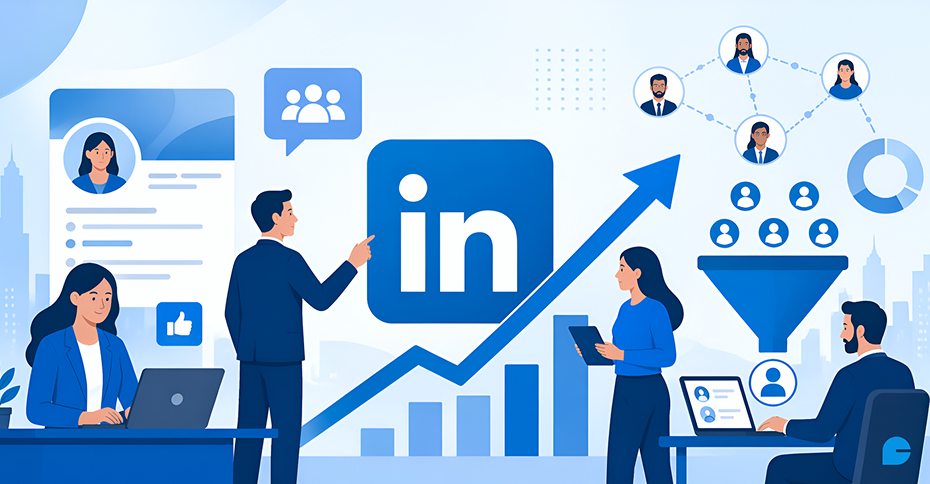
High-Performing LinkedIn Content Types
Creating the right type of content is essential for successful LinkedIn marketing.
Different content formats can help attract engagement and build authority.
1. Educational and Informational Posts
Educational content consistently performs well because it provides value to readers.
Examples include:
- Marketing tips for startups
- Website optimization strategies
- Productivity techniques for professionals
When content helps readers learn something useful, they are more likely to engage and share it.
2. Story-Driven Posts
Storytelling is one of the most powerful communication techniques.
Professionals often enjoy reading stories about real experiences, challenges, and achievements.
Examples of storytelling posts include:
- Lessons from a failed project
- Key insights from a successful campaign
- Personal career growth experiences
Story-based posts create emotional connection and encourage discussions.
3. Data-Driven Insights
Sharing statistics, research findings, or industry data can also generate strong engagement.
Data-driven posts demonstrate expertise and help audiences understand market trends.
Use Video and Visual Content to Boost Engagement
Visual content is becoming increasingly important in LinkedIn marketing.
Posts that include visuals are often easier to consume and attract more attention in the feed.
1. Short-Form Professional Video Content
Short videos are an excellent way to deliver quick insights.
Examples of LinkedIn video content include:
- Marketing tips
- Business advice
- Industry updates
- Short tutorials
Videos allow professionals to communicate ideas quickly and build stronger connections with audiences.
Check this out: The Ultimate Guide to Building a High-Impact Video Marketing Strategy
2. Carousel Posts and Visual Slides
Carousel posts allow creators to present information across multiple slides.
These posts work well for:
- Step-by-step guides
- Educational content
- Marketing frameworks
- Professional tips
Carousel posts are engaging because they encourage users to swipe through the content.
Community-Focused Marketing on LinkedIn
LinkedIn is not just a broadcasting platform. It is also a professional community where discussions and knowledge sharing take place.
Businesses that actively engage with the community can significantly expand their reach.
1. Participate in Professional Discussions
Engaging with other people’s posts is a simple yet powerful strategy.
Leaving thoughtful comments on industry-related content can increase visibility and attract new connections.
Meaningful comments often receive likes and replies, helping your profile gain attention.
2. Build and Manage LinkedIn Communities
LinkedIn groups allow professionals with similar interests to connect and share insights.
Participating in niche groups helps businesses reach targeted audiences and build authority within specific industries.
Sharing helpful advice and answering questions in these groups can strengthen credibility.
LinkedIn Advertising Strategies for Lead Generation
While organic content is important, paid advertising can accelerate growth.
LinkedIn offers advanced targeting options that allow businesses to reach very specific audiences.
Targeting the Right Audience
Advertisers can target users based on:
- Job titles
- Industry sectors
- Company size
- Professional experience
- Geographic location
This level of targeting makes LinkedIn advertising especially effective for B2B marketing.
Sponsored Content Campaigns
Sponsored posts allow businesses to promote high-quality content directly in users’ feeds.
Instead of creating purely promotional ads, it is often better to promote valuable educational content that builds trust.
Retargeting Campaigns
Retargeting campaigns allow businesses to reconnect with users who previously interacted with their content or website.
These campaigns can help convert interested prospects into leads or customers.
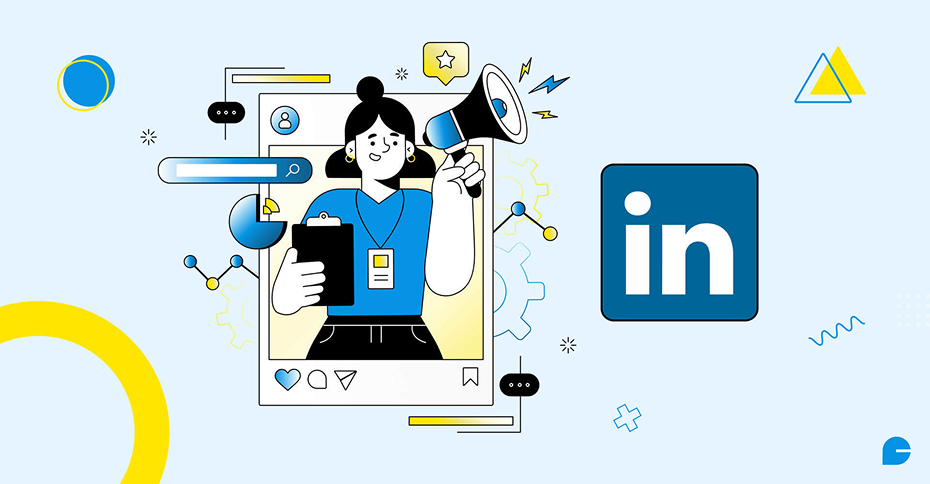
Combine Organic Content and Paid Marketing
The most effective LinkedIn strategies combine organic content with paid promotion.
Organic posts help establish credibility and build relationships with audiences. Once a post performs well organically, businesses can promote it through paid campaigns to reach larger audiences.
This approach maximizes the value of successful content.
Use Analytics to Improve LinkedIn Marketing
Data analysis is essential for improving marketing performance.
LinkedIn provides analytics tools that help businesses track the effectiveness of their content.
1. Monitor Key Performance Metrics
Important metrics include:
- Engagement rate
- Post reach
- Profile visits
- Follower growth
- Lead generation
Analyzing these metrics helps identify which content strategies are working.
2. Adjust Strategy Based on Data
By reviewing analytics regularly, businesses can refine their content strategy.
For example, if video posts generate higher engagement than text posts, it may be beneficial to focus more on video content.
Also read: Social Media Marketing Statistics: Key Data and Trends Every Marketer Should Know
Collaborate With Industry Influencers
Collaborations can help expand reach and build credibility.
Partnering with industry experts allows businesses to access new audiences and strengthen authority.
Examples of collaboration opportunities include:
- Joint webinars
- Interview posts
- Expert discussions
- Co-created articles
These collaborations provide valuable content while increasing brand visibility.
Common LinkedIn Marketing Mistakes to Avoid
Even experienced marketers sometimes make mistakes that limit their results.
Common mistakes include:
- Posting overly promotional content
- Ignoring audience engagement
- Inconsistent posting schedules
- Lack of clear content strategy
- Failing to optimize profiles and pages
Avoiding these mistakes can significantly improve LinkedIn performance.
Future Trends in LinkedIn Marketing
LinkedIn marketing will continue evolving as new technologies and user behaviors emerge.
Some key trends expected in the coming years include:
- Greater use of AI-powered marketing tools
- Increased popularity of professional video content
- Growth of community-driven engagement
- Stronger focus on personal branding
Businesses that adapt to these trends will gain a competitive advantage.
Final words
LinkedIn has become one of the most valuable platforms for professional networking, brand authority, and B2B marketing. By optimizing profiles, sharing valuable content, building personal brands, and engaging with professional communities, businesses can significantly improve their visibility and credibility. Combining organic content strategies with targeted advertising and data analysis can further strengthen marketing results.
Companies that approach LinkedIn with a long-term strategy focused on value, authenticity, and consistent engagement will be better positioned to attract leads, build industry authority, and grow their business in the years ahead.
Ready to supercharge your LinkedIn presence in 2026?
Implement these proven strategies, from mastering the algorithm and optimizing your profile to creating engaging video content, leveraging ads, and analyzing performance, to build authority, spark conversations, and turn connections into high-quality leads. Don’t let your competitors dominate the feed while you watch; start applying these tactics today for measurable growth and standout visibility. Get in touch with InCreativeWeb to craft your custom LinkedIn strategy.
Author
Jayesh Patel
Jayesh Patel is a Professional Web Developer & Designer and the Founder of InCreativeWeb.
As a highly Creative Web/Graphic/UI Designer - Front End / PHP / WordPress / Shopify Developer, with 14+ years of experience, he also provide complete solution from SEO to Digital Marketing. The passion he has for his work, his dedication, and ability to make quick, decisive decisions set him apart from the rest.
His first priority is to create a website with Complete SEO + Speed Up + WordPress Security Code of standards.